5 Ways To Naturally Treat A Yeast Infection
posted in Health & Fitness on 9/3/2014

It’s a feeling that many women recognize right away: the vaginal itching and burning that accompanies a vaginal infection likely caused by yeast.
Yeast infections are a very common form of vaginal infection, but even if you’ve had one before, how can you really be sure that you’re experiencing yeast infection symptoms rather than symptoms of another type of vaginal infection altogether?
Vaginal Yeast Infection Symptoms
Not all women exhibit noticeable symptoms when they have a yeast infection, especially if the infection is mild. However, typical yeast infection symptoms include:
Itching in the vaginal area and around the vulva (the opening of the vagina)
Burning in the vaginal area
Swelling of the vulva
White/gray vaginal discharge that may be thick (sometimes described as looking like cottage cheese)
Burning during urination
Pain with sexual intercourse
Most vaginal yeast infections do not produce a strong vaginal odor; a fishy odor is more common with bacterial infections
Why We Get Yeast Infections
Chronic yeast infections are caused by imbalances within our bodies.
Our skin’s health is directly affected by liver function and gut health, especially the microbes in the GI tract. The GI tract requires a wide diversity of microbes to protect us from overgrowths of pathogenic bacteria, yeast, and parasites.
A main role of the liver is to break down and filter hormones and toxins. When it’s not functioning properly, the skin becomes a primary filtering organ.
5 Natural Yeast Infection Remedies
1. Vinegar Baths
My favorite method of instant relief is a vinegar bath. Vinegar is great for bringing the skin back to proper acidity and killing yeast.
I only recommend organic, non-GMO vinegar and use organic raw apple cider vinegar with the ‘mother’ from either a local health food store or online.
Instructions:
Add 1 cup of raw apple cider vinegar to tub full of warm water. If you don’t have a water filter, you can easily neutralize the chlorine using this method.
Soak for 20 minutes, and then dry the area thoroughly. A hair dryer works well.
2. Coconut Oil
The lauric and caprylic acids in coconut oil are powerful antifungal, antiviral, and antimicrobial agents, and it’s a non-irritating protective layer. It’s also much less messy that the white creams.
Coconut oil is also a great barrier against chafing for irritated, sensitive skin caused by the yeast overgrowth.
Instructions:
Clean and dry the area thoroughly. Again, I like to use a hair dryer.
Apply a thin layer of coconut oil to the affected skin as needed. Morning and evening before bed are usually the easiest.
Internal use is not recommended unless directly recommended by
By your health practitioner. I find that external use is enough for most people.
3. Probiotics
Probiotics are the buzzword of good health these days and are the common name for beneficial bacteria and yeasts that live in and on our body. Normally taken internally as a supplement or through fermented food, they can help reverse pathogenic overgrowths of harmful microbes such as sinus, ear, and skin infections.
Instructions:
Apply a powdered probiotic 2-3 times daily away from anything antimicrobial or it can kill off the beneficial microbes. Apply at least 30 minutes before or after antimicrobial remedies.
Pour about 1/4 teaspoon into a small bowl. Tablets can be crushed into powder, and liquid supplements can be used as is.
Dip a clean finger into the powder and apply to moist skin with a dabbing motion to help it stick. Try to cover skin with a light layer. Leave on until you shower or bathe next.
4. Iodine
For those of you who don’t remember, iodine was the go-to antibacterial aid for cuts, scrapes, and other wounds until the modern version of sprays creams, and gels came on the market.
In addition to bring an essential nutrient, iodine is still one of the most effective germ-fighters we have. It’s up there as one of my favorite nutrients, and I even supplement with it daily through my iodine protocol.
Do not take iodine if you have an autoimmune disorder unless you are working closely with a qualified health practitioner and addressing the autoimmune condition first.
Instructions:
Add liquid iodine to coconut oil 1-2 times per day, starting with one drop at a time to find your tolerance level.
Iodine will stain so be careful during application, and remind yourself not to panic if your skin color changes to brown or yellow. The color will return to normal, usually within 24 hours at most.
And who’s going to be down there anyway while you’ve got all this going on?
Iodine is an amazing nutrient for thyroid health and energy levels but can cause a detox reaction, so please be aware of the cautions before using it and go slowly.
5. Essential Oils
Essential oils can be a tricky product to work with. They can be wonderfully soothing and antifungal, but will burn your delicate unmentionables if used improperly.
If you are too sensitive for essential oils, first use pure aloe vera gel directly from the plant until the skin begins to heal and is no longer so sensitive.
Pre-packaged gels can be filled with chemicals and alcohols that will exacerbate the infection and damage to delicate skin.
Essential oils can be extra helpful because many of them also dispel odors. Perfect during a fungal infection.
Some possible oils for use are –
lavender, rosemary, tea tree/melaleuca, thyme, and lemongrass
Instructions:
1-2 drops of essential oil in coconut oil applied 2-3 times a day using the coconut oil instructions above. The recommended amount can vary by practitioner, but I prefer to be conservative and start small.
http://beautytips4her.com/5-ways-to-naturally-treat-a-yeast-infection/
LIKE SHARE AND FOLLOW :))
More tips like this
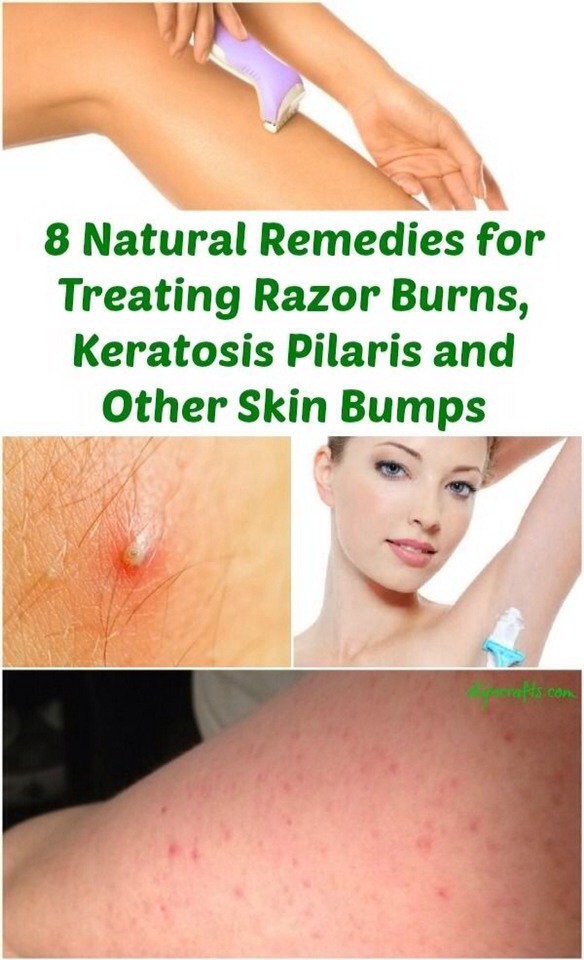
Health & Fitness
8 Natural Remedies For Treating Razor Burn 😲👊
47418

Health & Fitness
natural ways to treat cracked heels
414
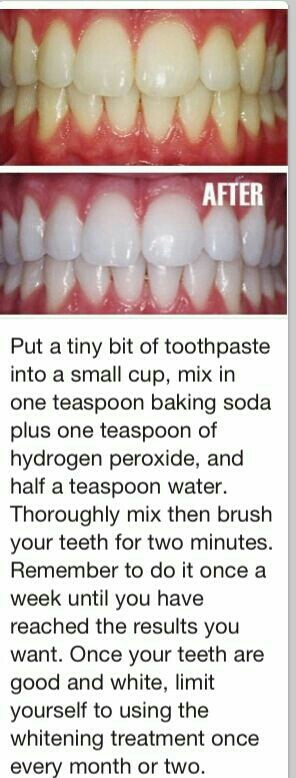
Health & Fitness
Natural Teeth Whitening!
75617
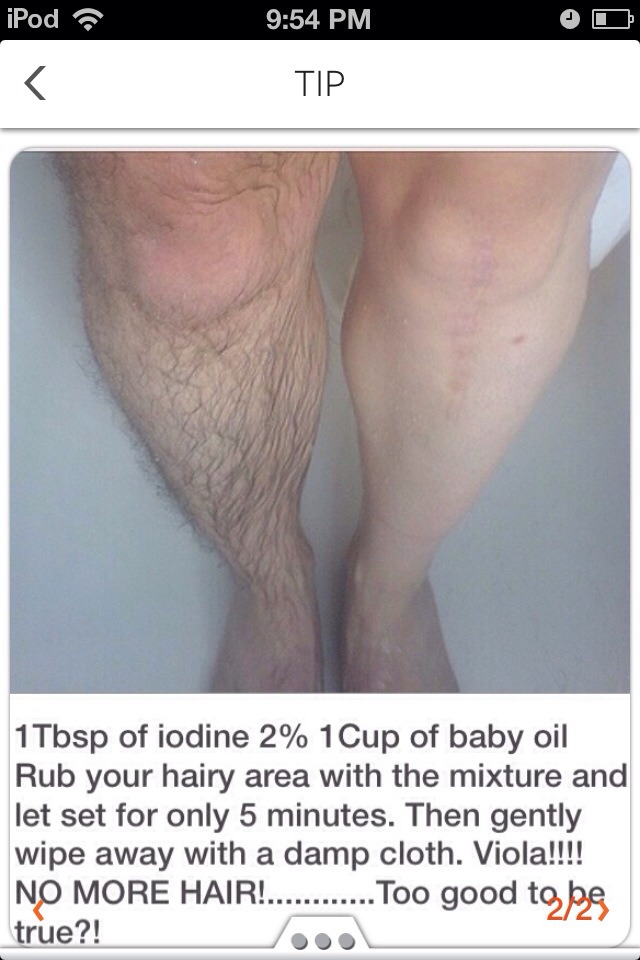
Health & Fitness
All Natural Hair Removal
1.7K25
Health & Fitness
Natural Ways To Treat Hypothyroidism
11

Health & Fitness
Natural Ways To Remove Belly Fat
1.8K7

Health & Fitness
6 Reasons Why You Should Use Naturals Cleaners
2282

Health & Fitness
Natural Weight Loss Drink
1.3K12