All About Sleep
posted in Other on 8/31/2014

6 to 12 Months
At 6 months, an infant may nap about 3 hours during the day and sleep about 9 to 11 hours at night. At this age, you can begin to change your response to an infant who awakens and cries during the night.
Parents can give babies a little more time to settle down on their own and go back to sleep. If they don't, comfort them without picking them up (talk softly, rub their backs), then leave — unless they appear to be sick. Sick babies need to be picked up and cared for. If your baby doesn't seem sick and continues to cry, you can wait a little longer, then repeat the short crib-side visit.
Between 6 and 12 months, separation anxiety, a normal developmental phase, comes into play. But the rules for nighttime awakenings are the same through a baby's first birthday: Try not to pick up your baby, turn on the lights, sing, talk, play, or feed your child. All of these activities do not allow your baby to learn to fall asleep on his or her own and encourage repeat awakenings.
Toddlers
From ages 1 to 3, most toddlers sleep about 10 to 13 hours. Separation anxiety, or just the desire to be up with mom and dad (and not miss anything), can motivate a child to stay awake. So can simple toddler-style contrariness.
Parents sometimes make the mistake of thinking that keeping a child up will make him or her sleepier for bedtime. In fact, though, kids can have a harder time sleeping if they're overtired. Set regular bedtimes and naptimes. Though most toddlers take naps during the day, you don't have to force your child to nap. But it's important to schedule some quiet time, even if your child chooses not to sleep.
Establishing a bedtime routine helps kids relax and get ready for sleep. For a toddler, the routine may be from 15 to 30 minutes long and include calming activities such as reading a story, bathing, and listening to soft music.
But even the best sleepers give parents an occasional wake-up call. Teething can awaken a toddler and so can dreams. Active dreaming begins at this age, and for very young children, dreams can be pretty alarming. Nightmares are particularly frightening to a toddler, who can't distinguish imagination from reality. (So carefully select what TV programs, if any, your toddler sees before bedtime.)
Comfort and hold your child at these times. Let your toddler talk about the dream if he or she wants to, and stay until your child is calm. Then encourage your child to go back to sleep as soon as possible.
More tips like this
Other
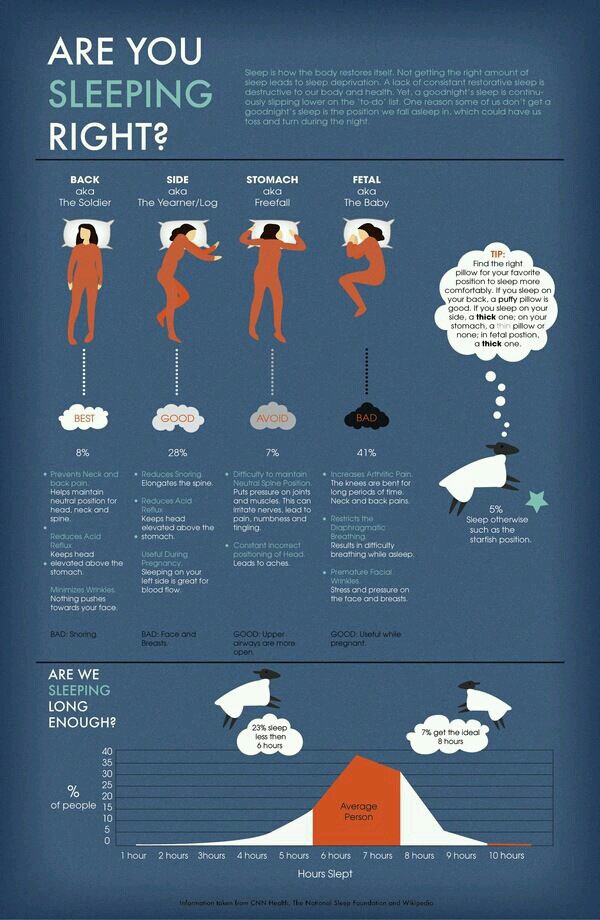
Are You Sleeping Right Way ❤❤❤
8713
Other
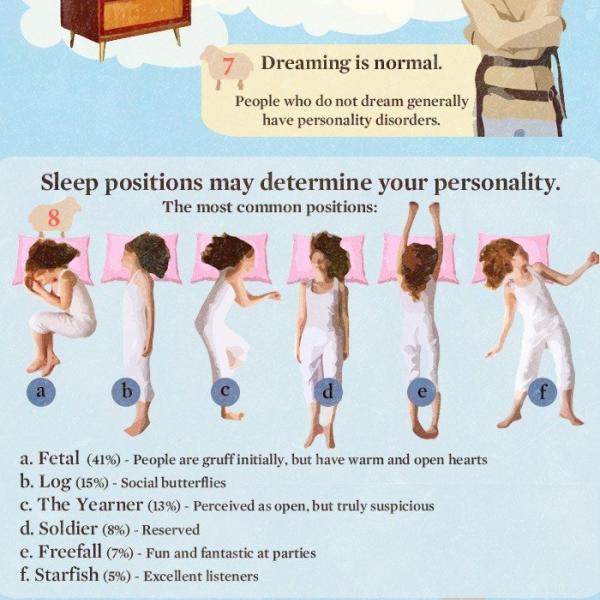
Sleep FActs Tell You What
1104

Other
Suffering From Some Insomnia? Try This To Get You Sleeping In No Time! 💗
1K35

Other
How To Fix Your Sleep Schedule
383
Other
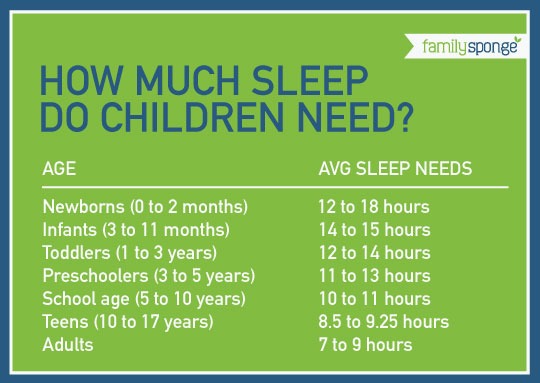
How Much Sleep Do Your Children Need?
1183
Other
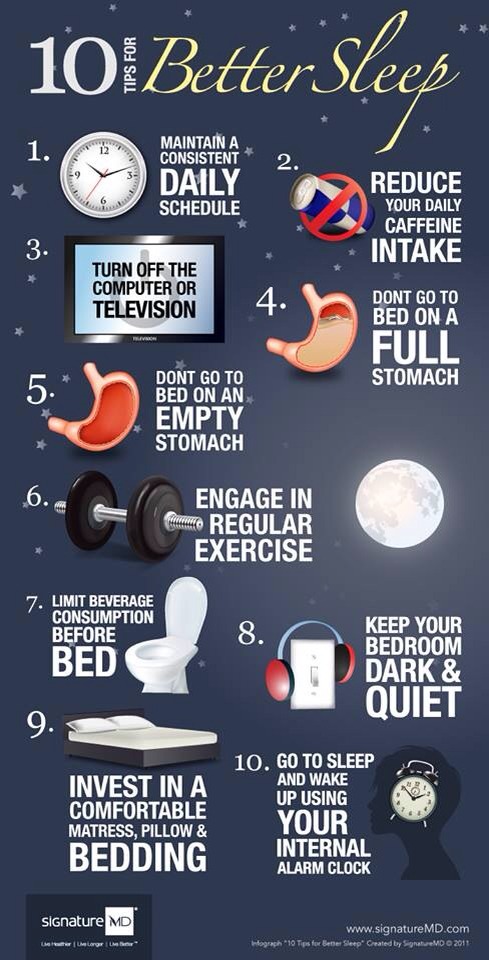
10 Ways To Get Better Sleep
17

Other
🔟 Benefits Of Sleeping Naked!
38
Other
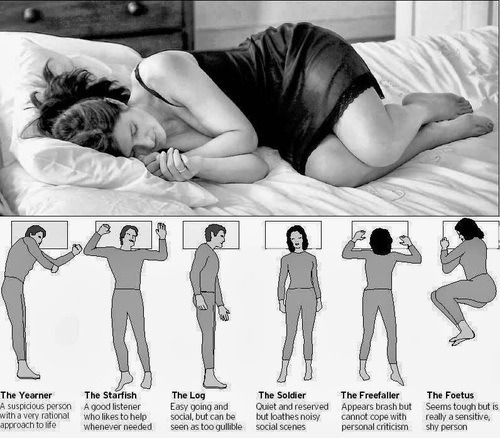
You Have To Know How You Sleep. 👍
37