Dressing For The Weather Tips ❄️
posted in Health & Fitness on 10/23/2014
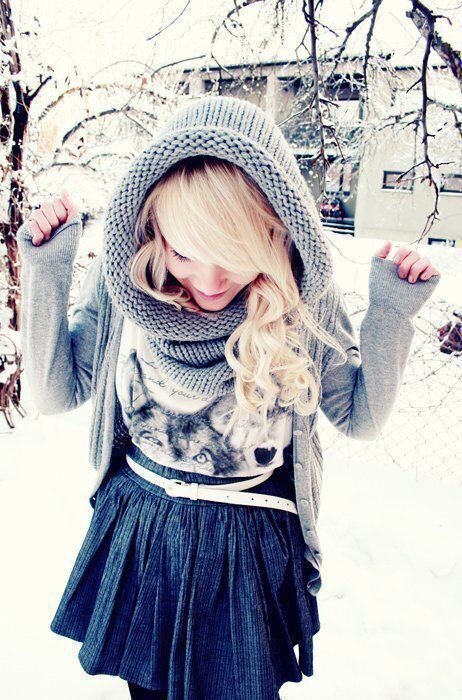
Versatile winter apparel is worth the investment. Shopping for winter clothing can seem a bit overwhelming. This is to give you some basic information about dressing for winter and will make your next shopping trip easier.

The best way to dress for winter is to wear layers. This gives you flexibility to add or remove layers, depending on the weather and your activity. In general,the three main layers are wicking, insulating and weather protection.
Wicking layer:
This is the layer worn next to your skin, usually consisting of long underwear.
Look for thermal underwear made of a synthetic usually polyester fiber that has "wicking" power. This means the fibers will wick (move) moisture away from your skin and pass it through the fabric so it will evaporate. This keeps you warm, dry and comfortable. Silk is also a good, natural fabric that has wicking abilities.
Even though it's cold, you will sweat especially if you are cross country skiing or snowshoeing. Even walking from point A to point B makes most people perspire a little bit.
Insulating layer:
This middle layer includes sweaters, sweatshirts, vests and pullovers. The purpose of this layer is to keep heat in and cold out, which is accomplished by trapping air between the fibers.
Popular insulation materials include:
Fleece, a synthetic material which maintains its insulating ability even when wet and spreads the moisture out so it dries quickly.
And also wool, which naturally wicks away moisture.
Protection layer:
The exterior layer, generally a shell and pants, serves as your guard against the elements of winter. It should repel water from snow,sleet or rain and block the wind, while also letting perspiration evaporate.
Most genuine winter shells and pants are made waterproof and breathable to some extent by using tightly woven fabrics teamed with a coating or laminate. This keeps moisture on the outside but allows perspiration to escape, keeping you dry and comfortable.
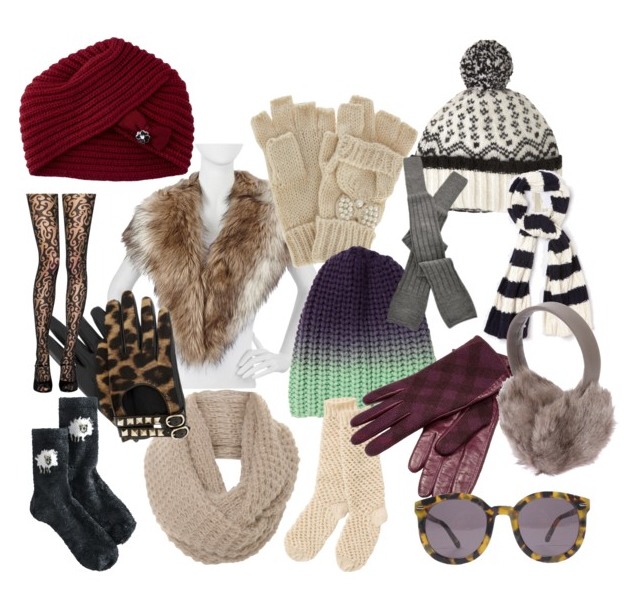
Look for functional hoods, cuffs, pockets and zippers; details that truly make garments comfortable in a snowstorm.
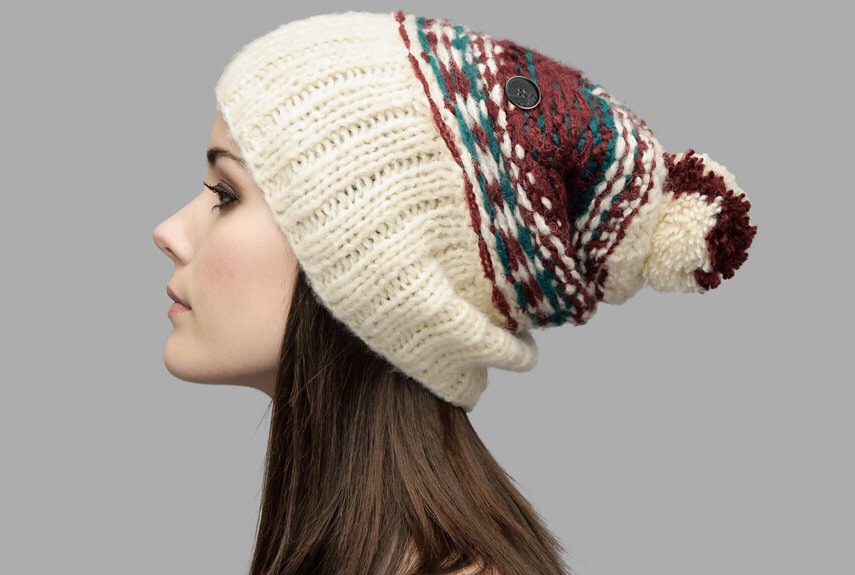
Up to 60 percent of your body's heat can escape from an uncovered head, so wearing a hat, headband or helmet is essential when it's cold.
In some cases: If you wear a hat, you may be able to wear one less layer on your body.
In some cases: If you wear a hat, you may be able to wear one less layer on your body.

Gloves and mittens: Look for gloves and mittens that use waterproof, breathable fabrics. Mittens, in general, are warmer than gloves, but offer you less dexterity. Consider the type of activity you'll be doing.
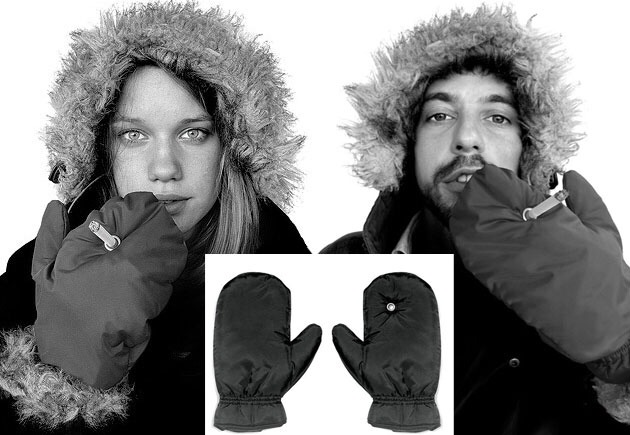
Unless you're a really dedicated smoker and decide to buy these smokers gloves, winter is a great time to quit. Air gets thinner and who really wants to go stand in the cold?
If you're not that dedicated, you should at least wear gloves when going out and wash them often as they will retain smell.
If you're not that dedicated, you should at least wear gloves when going out and wash them often as they will retain smell.
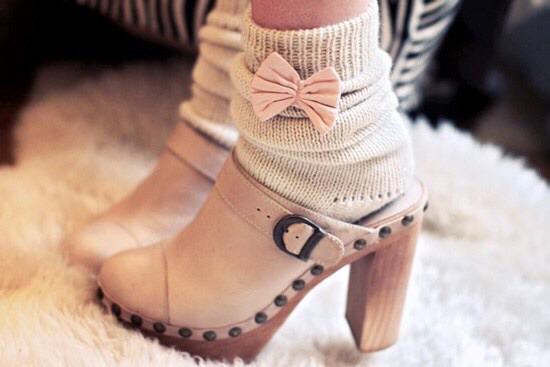
Socks: One pair of light-weight or medium-weight socks works best. Socks are made from a variety of materials, including polyester, silk, wool and nylon. Some socks have wicking properties similar to long underwear, meaning your feet will stay dry and comfortable.
The wicking layer should fit snugly (not tight) next to the skin in order to effectively wick moisture.
Comfort is key for the insulating layer. It should be loose enough to trap air between layers, but not so bulky that it restricts movement.
Your protection layer should fit comfortably, offering you maximum range of motion.
Don't buy gloves or mittens that are too tight. There should be a little air space at the tips of your fingers, which acts as additional insulation.
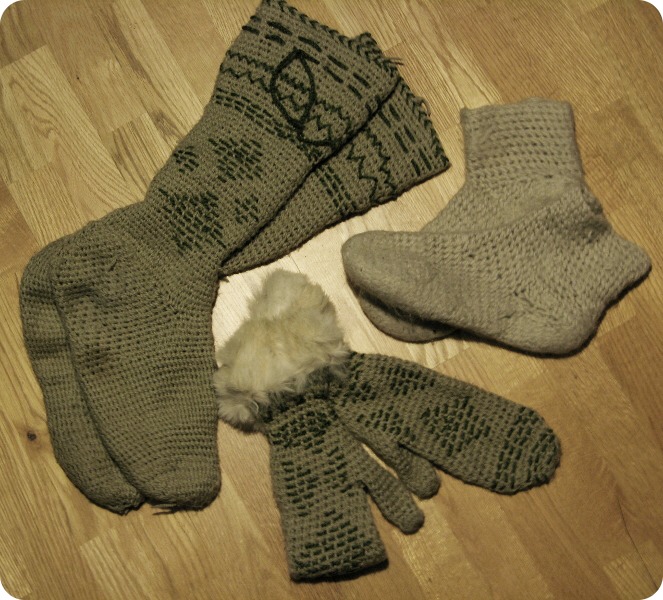
Resist the temptation of putting on too many pairs of socks. You'll restrict circulation and actually cause your feet to get colder.

Don't wear jeans or street pants. Denim is not waterproof, so water will soak through and you'll end up cold, wet and miserable.
Skin tight jeans won't allow you to retain any of your body heat! You'll be frozen after 5 minutes. :(
Skin tight jeans won't allow you to retain any of your body heat! You'll be frozen after 5 minutes. :(
Last but not least:
Cotton is a no-no. Cotton is great for towels, because cotton soaks up and retains moisture. That's precisely why cotton is all wrong for on-slope apparel. It absorbs moisture (sweat and snow), and retains it. When the wind blows, you will get very, very cold. Don't wear cotton athletic socks, cotton jeans, cotton sweatshirts, or cotton T-shirts.
These are tips you can rely on every day in the winter. I can make a tip for dressing for winter sports if you guys want to request one in the comments. Winter is coming - stay warm!
With love, Molly xx
More tips like this
Health & Fitness
Lazy Weight Loss Tips
3.5K16

Health & Fitness
30 Flat Tummy Tips
2.4K6

Health & Fitness
Health Beauty Fitness Tips
1.2K12

Health & Fitness
10 Weight Loss Tips!
1.9K62

Health & Fitness
FLAT ABS TIPS 👊👍💪
1.4K52

Health & Fitness
Tips For Dealing With Depression
1.1K55

Health & Fitness
Weight Loss Tips
6087

Health & Fitness
10 Tips That Will Help You Lose Weight
3K14