Every Possible Use For Vinegar!
posted in Other on 8/15/2014
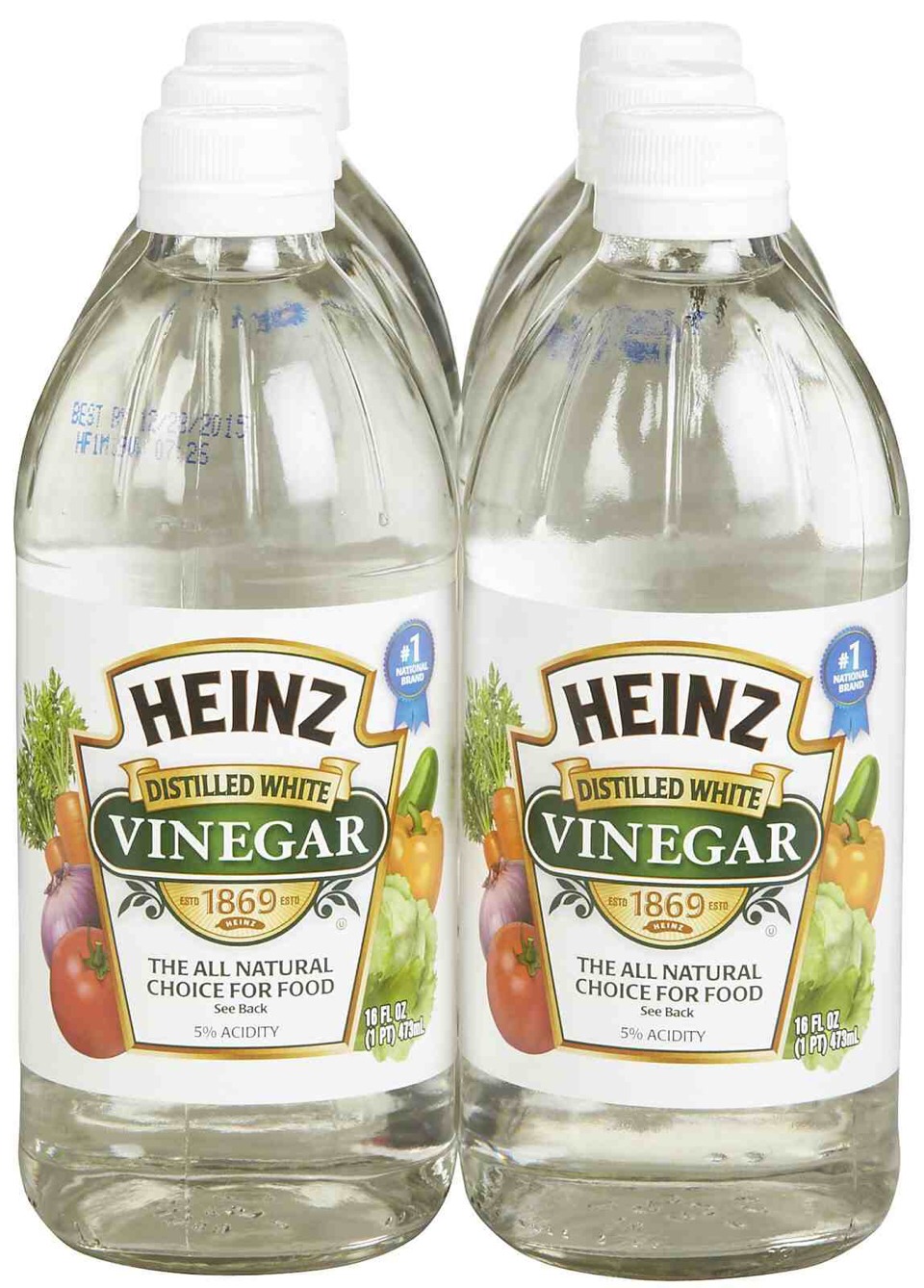
Vinegar has an amazing amount of uses most people don't know about! I recommend white vinegar for most of these because red and apple cider can stain porous materials.
GARDEN USES
Grow beautiful azaleas: Occasionally water plants with a mixture of two tablespoons vinegar to one quart water. Azaleas love acidic soil.
Kill grass on walks and driveways: Pour full strength on unwanted grass.
Kill weeds: Spray full strength on growth until
plants have starved.
Increase soil acidity: In hard water areas, add
a cup of vinegar to a gallon of tap water for
watering acid loving plants like rhododendrums,
gardenias, or azaleas. The vinegar will release
iron in the soil for the plants to use.
Next--->
Freshen cut flowers: Add 2 tablespoons vinegar
and 1 teaspoon sugar for each quart of water.
Prolong the life of flowers in a vase: Add two
tablespoons of vinegar plus three tablespoons of sugar per quart of warm water. Stems should be in three to four inches of water.
Neutralize garden lime: Rinse your hands liberally with vinegar after working with garden lime to avoid rough and flaking skin.
Clean pots before repotting, rinse with vinegar to remove excess lime.
BUGS AND ANIMALS
Fish bowl cleaner: Eliminate that ugly deposit in
the gold fish tank by rubbing it with a cloth
dipped in vinegar and rinsing well.
Eliminate animal urine stains from carpet: Blot
up urine with a soft cloth, flush several times
with lukewarm water, then apply a mixture of equal parts vinegar and cool water. Blot up, rinse, and let dry.
Deter ants: Spray vinegar around door and window frames, under appliances, and along other known ant trails.
Remove skunk odor from a dog: Rub fur with full strength vinegar; rinse.
Next ---->
Keep cats away. Sprinkle vinegar on an area to
discourage cats from walking,sleeping, or scratching in it.
Keep dogs from scratching ears. Clean the inside
of the ears with a soft cloth dipped in diluted
vinegar.
Keep away fleas and mange. Add a little vinegar to
your pet's drinking water.
Keep chickens from pecking each other. Add cider
vinegar to their drinking water.
Clean milking equipment. Rinse with vinegar to
leave system clean, odorless, and bacteria free
without harmful chemical residue.
CARS AND TOOLS
Polish car chrome. Apply full strength.
Clean rust from tools, bolts, and spigots. Soak
the rusted tool, bolt, or spigot in undiluted
vinegar overnight.
Keep car windows frost free. Coat the windows
the night before with a solution of three parts
vinegar to one part water.
HEALTH AND BEAUTY
Dampen your appetite: Sprinkle a little vinegar on prepared food to take the edge off your appetite.
Soothe a bee or jellyfish sting: Dot or douce the
irritated area with vinegar and relieve itching.
Relieve itching: Use a cotton ball to dab
mosquito and other bug bites with Vinegar straight from the bottle.
Relieve sunburn: Lightly rub it with
vinegar. You may have to reapply.
Take 1 cup of vinegar and warm water into a
large glass and use to rinse your hair after
you shampoo. Vinegar adds highlights to brunette hair and removes soap film.
Next--->
Hiccups: Swallow 1 tablespoon to cure hiccups. It stops them instantly.
Relieve dry and itchy skin: Add 2 tablespoons to bath water.
Fight dandruff: Rinse with vinegar and
2 cups of warm water, after shampooing.
Soothe a sore throat: Put a teaspoon of vinegar
in a glass of water. Gargle, then swallow.
Cure for colds: Mix one-quarter cup Apple Cider Vinegar with one-quarter cup honey.
Take one tablespoon six to eight times daily.
Treat sinus infections and chest colds: Add 1/4 cup or more vinegar to the vaporizer.
Next--->
Feel good recipe: A teaspoon of apple cider vinegar in a glass of water, with a bit of honey added for flavor, will take the edge off your appetite and give you an overall healthy feeling.
Remove fruit stains from hands: Rub with vinegar.
Remove warts: Apply a lotion of half cider
vinegar and half glycerin. Apply daily to warts until they dissolve.
Relieve arthritis: Before each meal, drink a
glass of water containing two teaspoons
Apple Cider Vinegar. Give it at least three weeks to start working.
Next--->
Remove corns: Make a poultice of one crumbled piece of bread soaked in one-quarter cup Vinegar. Let poultice sit for one-half hour, then apply to the corn and tape in place overnight. If corn does not peel off by morning, reapply the poultice for several consecutive nights.
Cure an upset stomach: Drink two teaspoons
Apple Cider Vinegar in one cup water.
Prevent yeast infections: Douche with one
tablespoon vinegar to one quart warm water,
to adjust the pH balance.
Clean dentures: Soak them overnight in
vinegar, then brush away tartar with a toothbrush.
LAUNDRY AND CLOTHES CARE
Use in laundry to cut soap.
Get rid of lint in clothes: Add 1/2 cup of vinegar
to the rinse cycle.
Prevent lint from clinging to clothes: Add one cup vinegar to each wash load.
Keep bright colors from running: Immerse clothes in full strength vinegar for 10 minutes before washing.
Freshen up the washing machine: Clean the hoses and unclog soap scum. Once a month pour one cup of vinegar into the washing machine and run the machine through a
normal cycle, without clothes.
Brighten fabric colors: Add a 1/2 cup vinegar
to the rinse cycle.
Next--->
Take grease off suede: Dip a toothbrush in vinegar and gently brush over grease spot.
Remove tough stains: Gently rub on fruit, jam,
mustard, coffee, tea. Then wash as usual.
Get smoke smell out of clothes: Add a cup of
vinegar to a bath tub of hot water. Hang clothes above the steam.
Remove perspiration stains from clothes: Apply one part vinegar to four parts water, then rinse.
Deodorant and anti-perspirants stains may be
removed from clothing by lightly rubbing with
distilled vinegar and laundering as usual.
Next--->
Cotton and wool blankets become soft, fluffy and free of soap odor if 2 cups of distilled vinegar are added to the rinse cycle of the wash.
Clothes will rinse better if a cup of vinegar is
added to the last rinse water. The acid in vinegar is too mild to harm fabrics but strong enough to dissolve the alkalies in soaps and detergents.
When dyeing fabric, add a cup full of distilled
vinegar to the last rinse to set the color.
Nylon hose will look better and last longer if
1 tablespoon of vinegar is added to the rinse
water when washing.
Next--->
To obtain a sharper crease in your knit fabrics,
dampen them with a cloth wrung out from a solution of 1/3 distilled vinegar and 2/3 water.
Place a brown paper bag over the crease and iron.
Excess laundry suds that develop during hand
laundry may be eliminated by splashing a little
vinegar into the second rinse. Follow this with
another rinse in plain water.
Deodorize a wool sweater: Wash sweater, then rinse in equal parts vinegar and water to remove odor.
Get rid of seam/ hemming holes: Place a cloth moistened with vinegar under hole and iron.
Next--->
Unclog steam iron: Pour equal amounts of
vinegar and water into the iron's water chamber. Turn to steam and leave the iron on for 5 minutes in an upright position. Then unplug and allow to cool. Any loose particles should come out when you empty the water.
Clean a scorched iron plate: Heat equal parts
vinegar and salt in a small pan. Then rub the
solution on the cooled iron surface to remove dark or burned stain.
KITCHEN USES
A mixture of salt and vinegar will clean coffee
and tea stains from chinaware.
Freshen vegetables: Soak wilted vegetables in
2 cups of water and a tablespoon of vinegar.
Boil better eggs: Add 2 tablespoons water
before boiling. Keeps them from cracking.
Marinating meat in vinegar kills bacteria and
tenderizes the meat. Use one-quarter cup
vinegar for a two to three pound roast, marinate
overnight, then cook without draining or
rinsing the meat. Add herbs to the vinegar when marinating as desired.
Next--->
Put vinegar on a cloth and let sit on the back
of your kitchen faucet and it removes hard water stains.
Vinegar can help to dissolve mineral deposits that collect in automatic drip coffee makers. Fill the reservoir with vinegar and run it through a
brewing cycle. Rinse thoroughly with water when the cycle is finished.
(Be sure sure to check the owners manual for
specific instructions).
Brass, copper and pewter will shine if cleaned
with the following mixture. Dissolve 1 teaspoon
of salt in 1 cup of distilled vinegar.
Next--->
Clean the dishwasher by running a cup of vinegar through the whole cycle once a month to reduce soap build up on the inner mechanisms and on glassware.
Deodorize the kitchen drain: Pour a cup down the drain once a week. Let stand 30 minutes and then flush with cold water.
Unclog a drain: Pour a handful of baking soda down the drain and add 1/2 cup of vinegar.
Rinse with hot water.
Eliminate onion odor: Rub vinegar on your
fingers before and after slicing.
Clean and disinfect wood cutting boards by wiping with full strength vinegar.
Next--->
Cut grease and odor on dishes by adding a
tablespoon of vinegar to hot soapy water.
Clean a teapot by boiling a mixture of water and
vinegar in it. Wipe away the grime.
Clean and deodorize the garbage disposal by making vinegar ice cubes and feed them down the disposal. After grinding, run cold water through.
Clean and deodorize jars. Rinse mayonnaise, peanut butter, and mustard jars with vinegar when empty.
Get rid of cooking smells by letting a small pot
of vinegar and water simmer on the stove.
Freshen a lunchbox by soaking a piece of bread in vinegar and let it sit in the lunchbox
>
Clean the refrigerator by washing with a solution of equal parts water and vinegar.
Clean stainless steel by wiping with a vinegar
dampened cloth.
Clean china and fine glassware by adding a cup of vinegar to a sink of warm water. Gently dip the glass or china in the solution and let dry.
Get stains out of pots by filling the pots with
a solution of 3 tablespoons of vinegar to a pint
of water. Boil until stain loosens and can be
washed away.
Clean food-stained pots and pans by filling the
pots and pans with vinegar and let stand for
thirty minutes. Then rinse in hot, soapy water.
Next--->
Clean the microwave: Boil a solution of 1/4 cup of vinegar and 1 cup of water in the microwave. Will loosen splattered on food and deodorize.
Make buttermilk: Add a tablespoon of vinegar to a cup of milk and let it stand 5 minutes to thicken.
Replace a lemon by substituting 1/4 teaspoon of vinegar for 1 teaspoon of lemon juice.
Firm up gelatin by adding a teaspoon of vinegar
for every box of gelatin used. To keep those
molded desserts from sagging in the summer heat.
Prepare fluffier rice by adding a teaspoon of
vinegar to the water when it boils.
Next--->
Scale fish more easily by rubbing with vinegar 5
minutes before scaling.
Prevent soapy film on glassware: Place a cup of vinegar on the bottom rack of your dishwasher, run for five minutes, then run though the full cycle.
Remove dark stain on aluminum utensils:
Boil a solution of 1 tablespoon of distilled vinegar per cup of water in the utensil. Utensils may also be boiled in the solution.
Unsightly film in small-necked bottles and other
containers can be cleaned by pouring vinegar into the bottle and shaking.
Eliminate fruit stains from your hands: Rub
your hands with vinegar.
Next--->
Grease buildup in an oven can be prevented by
wiping with a cleaning rag that has been moistened in distilled vinegar and water.
Formica tops and counters will shine if cleaned
with a cloth soaked in distilled vinegar.
No-wax linoleum will shine better if wiped with
a solution of 1/2 cup of white vinegar in 1/2 gallon of water.
Stains on hard-to-clean glass, aluminum, or
porcelain utensils may be loosened by boiling in
a solution of one part vinegar to eight parts
water. The utensils should then be washed in hot soapy water
BATHROOM
Kill germs on bathroom fixtures by using one part vinegar to one part water in a spray bottle.
Spray the bathroom fixtures and floor,
then wipe clean.
Soap and stain build up can be removed from chrome and plastic fixturesif they are cleaned with a mixture of 1 teaspoon of salt and 2 tablespoons of distilled vinegar.
Clean soap scum, mildew, and grime from bathtub, tile, and shower curtains. Simply wipe the surface with vinegar and rinse with water.
Stubborn stains can be removed from the toilet
by spraying them with vinegar and brushing
vigorously.
Next--->
Unclog a shower head by unscrewing it, remove the rubber washer, place the head in a pot filled with equal parts Vinegar and water, bring to a boil, then simmer for five minutes.
Corrosion may be removed from showerheads or faucets by soaking them in diluted distilled
vinegar overnight. This may be easily accomplished by saturating a terry cloth towel in vinegar and wrapping it around the showerhead or faucet.
Bath tub film can be removed by wiping with
vinegar and then with baking soda. Rinse clean with water.
MISCELLANEOUS
Use vinegar in the steam cleaner to reduce soap bubbles.
Mix vinegar with lindseed oil and use it to clean
your wood.
Clean eyeglasses by wiping each lens with a drop of vinegar.
Soak new propane latern wicks in vinegar for
several hours. Let dry before using. Will burn
longer and brighter.
Deodorize the air. Vinegar is a natural air freshener when sprayed in a room.
Turn a chicken bone into rubber by soaking it in a glass of vinegar for three days. It will bend like rubber.
Deodorize smoke and paint fumes: Place a small bowl of vinegar in the middle of the room.
Next-->
Remove decals or bumper stickers: Soak a cloth in vinegar and cover the decal or bumper
sticker for several minutes until the vinegar soaks in.
Cleaning windows by using undiluted Vinegar in
a spray bottle. Dry with newspaper.
Prevent patching plaster from drying by adding one tablespoon vinegar to the water when mixing to slow the drying time.
Plastic can be cleaned and made anti-static by
wiping down with a solution of 1 tablespoon of
distilled vinegar to 1 gallon of water. This will cut down on the plastics' tendency to attract dust.
Next--->
Brush 1 cup vinegar in a gallon of water to give carpet colors a new life.
Remove cola-based soft drink stains from 100 percent cotton, cotton polyester and permanent press fabrics if done so with in 24 hours. Sponge distilled vinegar directly onto the stain and rub away the spots. Then clean according to the directions on the manufacturer's care tag.
Sponging away grease and dirt with a sponge dipped in distilled vinegar will keep exhaust fan grills, air-conditioner blades and grills dust free.
Clean leather: Rub distilled vinegar and linseed oil into leather and polish with cloth.
Next>
Loosen old glue around rungs and joints of
tables and chairs under repair, apply distilled
vinegar with a small oil can.
Soak a paint brush in hot vinegar, then wash out with warm, sudsy water to soften it up.
Patent leather will shine better if wiped with a
soft cloth moisten with distilled vinegar.
Varnished wood often takes on a cloudy appearance. If the cloudiness hasn't gone through to the wood, the cloudiness can be removed by rubbing the wood with a soft lintless cloth wrung out from a solution of 1 tablespoon of distilled vinegar in a quart of luke-warm water.
Next--->
Remove dirt and grime from wood: 1 cup of ammonia, 1/2 cup of distilled vinegar, and 1/4 cup of baking soda in a cup of warm water. This solution will not dull the finish or leave streaks.
Stubborn rings on wood furniture may be removed by rubbing with a mixture of equal parts of distilled vinegar and olive oil. Rub with the grain and polish for the best results.
Clean wood paneling: Use a mixture of 1 ounce of olive oil and 2 ounces of distilled vinegar in 1 quart of warm water. Moisten a soft cloth with the solution and wipe the panelling. Yellowing is removed by wiping with a dry cloth.
Thanks for reading everyone!
Check out my other tips for more uses for common household goods! (Especially baking soda)
Like, share, save, & follow!
More tips like this

Other
For Every Like I Will Donate €0.50 To The Cancer Society❤️
77450

Other
For Every Ten Likes I Will Donate £1 To A Animal Charity (blue Cross) Thanks
6836
Other
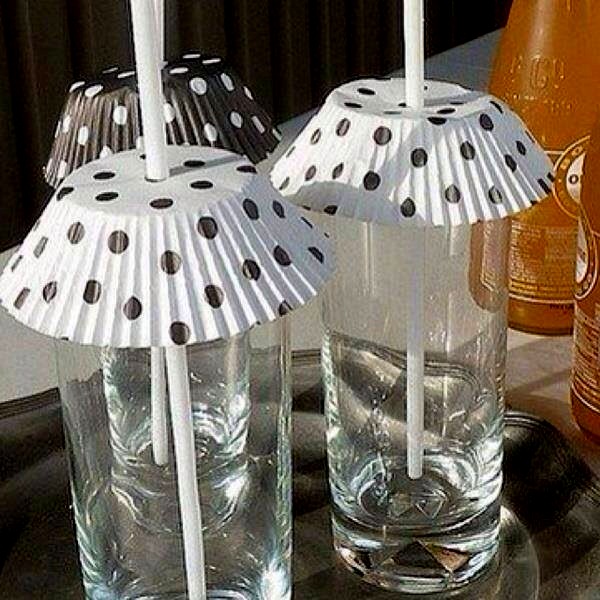
Easy Way To Keep Bugs Out Of Your Drink When You're Outside
11K141

Other
Homemade Olive Garden Breadsticks
2.1K13

Other
Sew Pillow Cases Together, And Insert Pillows. Great For Movie Night!
26K374
Other
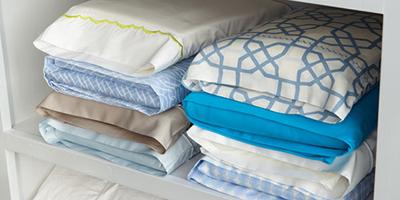
Store Bed Linen Sets Inside One Of Their Own Pillowcases
8.2K118