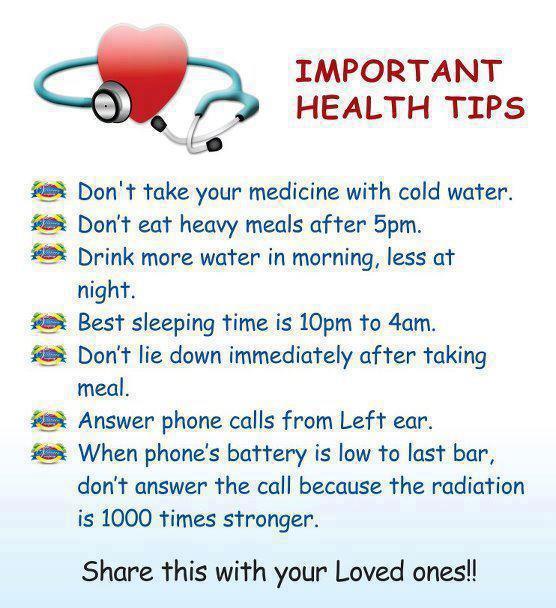
Important Health Tips
posted in Health & Fitness on 2/2/2014
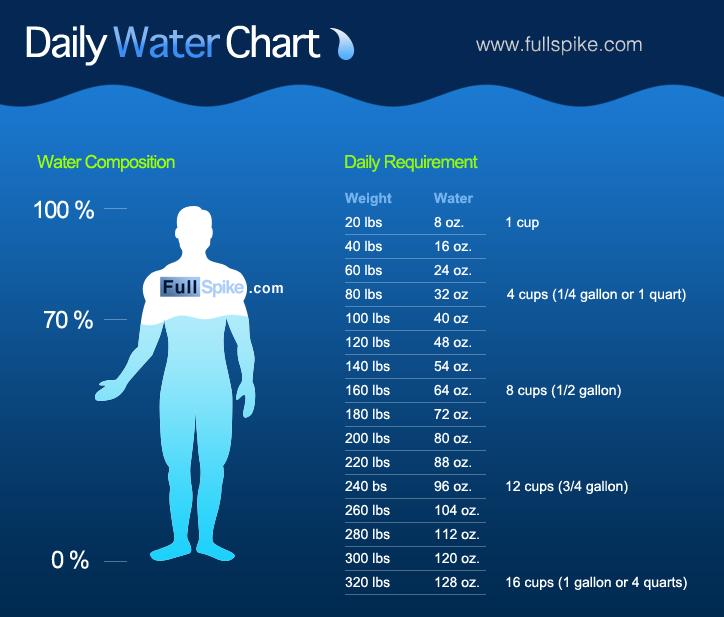
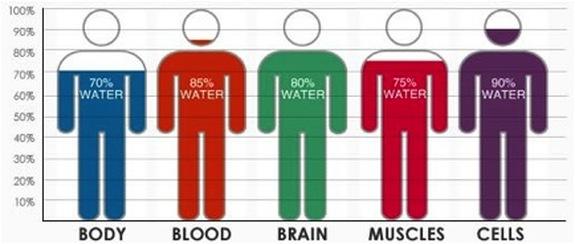
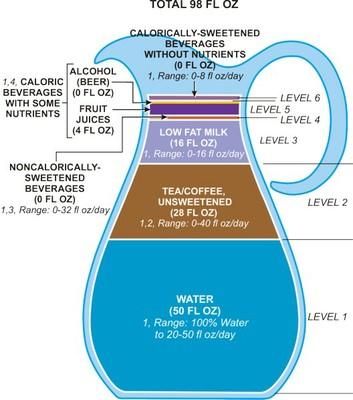
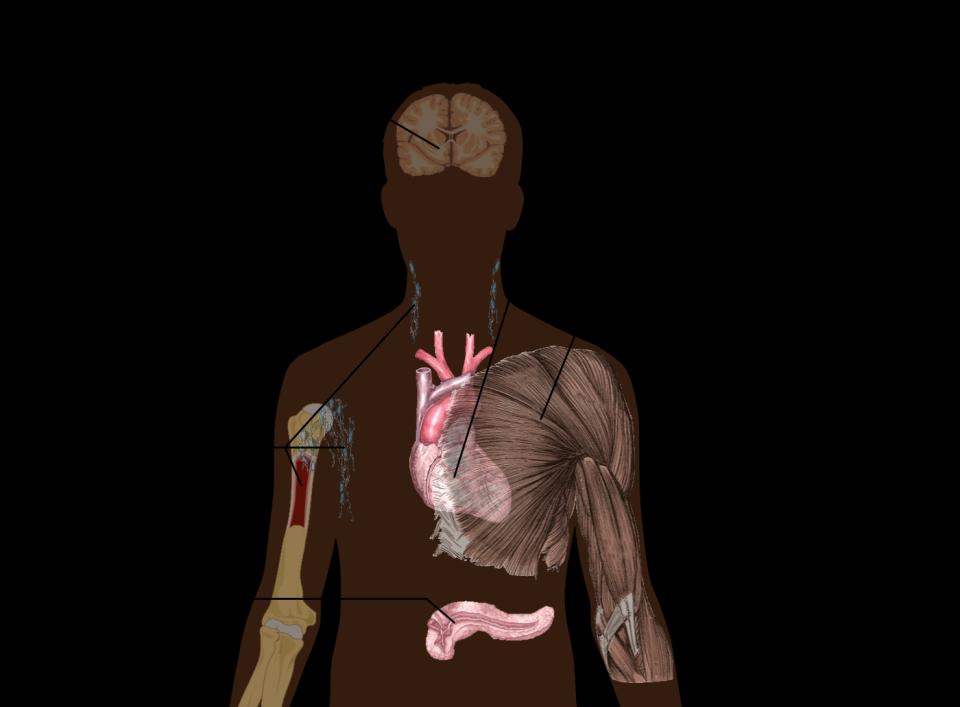
Drink lots of water every day!!
Replenishes skin tissues and increases elasticity keeping skin glowing and healthy.
Improves the condition of bones, hair and nails.
16 oz. of water can boost your metabolism by 24% in the morning promoting weight loss.
Increases production of new blood and muscle cells.
Balances lymph system and body fluids and fight infection.
Drinking water on an empty stomach purifies the colon making it easier to absorb nutrients.
Prevents renal and urinary infections by flushing out bacteria.
Improves productivity in daily activities and boosts energy.
Aids in digestion and prevents constipation and heartburn.
Flushes out the by-product of fat breakdown
Reduces the risk of cancer.
Helps ease join pains and arthritis pains by cushioning the joints.
Helps increase circulation keeping your heart healthy.
Regulates body temperature.
Relieves headaches and migraines.
Helps fight bad breath and problem teeth/gums caused by dry mouth.
Improves mood.
Stops water retention and bloating.
Eases stomach cramps.
Moistens tissues in the eyes and nose.
Reduces hunger.
Keeps brain working better.
Boosts immune system and helps fight flu and respiratory disorders.
Replenishes essential minerals while Ridding the body of dangerous toxins.
Improves blood pressure.
Aids in kidney and liver functions.
Transports oxygen throughout organs.
It is FAT FREE AND CALORIE FREE!
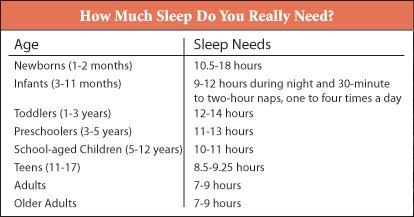
2. Get the proper amount of sleep.
Restful sleep reduces stress.
Boosts your memory.
Reduces inflammation.
Makes you more alert.
Helps body make repairs.
Helps aid in weight loss and healthy metabolism.
Helps keep your heart healthy.
Reduces risk of depression.
Helps keep hormones in balance.
Helps keep skin vibrant and healthy.
While not getting enough sleep will make you tired, too much sleep will make you just as tired.
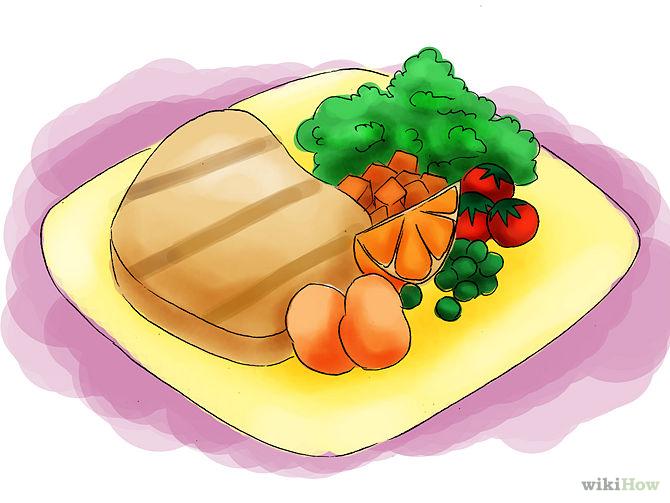
3. Eat a healthy, balanced diet.
Calories turn to energy. If you are not using much energy, you don’t need as many calories.
The average man needs around 2,500 calories/day.
The average woman needs around 2,000 calories/day.
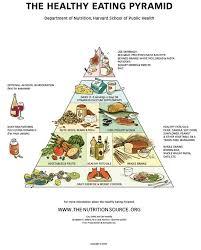
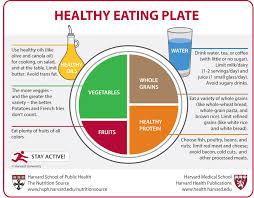
Eat a wide variety of healthy foods to ensure that you are taking in all of the essential nutrients.
Our bodies need at least 5 portions of different fruits and vegetables per day.
Fish is a good source of protein, vitamins and minerals and it is high in omega-3 fats so it is heart-healthy as well.
Sugar and carbohydrates should be used sparingly.
Watch that you are not consuming too much fat and the fat that you do take in should consist of very little, if any of saturated fat.
Cut back on sodium.
Sodium is in almost every food naturally, so be careful that you are not consuming foods that have a lot of sodium added to it.
Adults and children over 11 should consume no more than 6g of salt per day and younger children should consume even less than that.
Drink plenty of water.
Breakfast is the most important meal of the day and should also be the biggest, with lunch being the medium meal and supper being the lightest.
Avoid eating for several hours before bedtime.
Nuts make a good snack as long as they don’t contain a lot of added sugar or salt.
Watch your portion size.
You may eat a little of a food that you love in small amounts even if it is unhealthy, but even healthy foods can be abused.
Remember, moderation is key!
Get plenty of fiber.
Try 100% whole grains; avoid white or enriched flour as a main ingredient.
Limit refined grains and added sugar.
. These are found in breads and pastas and have very little, if any, nutritional value.
Limit red meat and animal fat, also as these contribute to high LDL (bad) cholesterol and contribute little to the HDL (good).
Skinless, white chicken is another healthier meat but remember,
, you don’t have to have meat at every meal.
Try to eliminate trans fats altogether.
It is suggested by the American Heart Association that healthy people limit cholesterol to 300mg/day. People with heart disease or risk of heart disease should get no more than 200mg/day.
Keep up your potassium.
. This is found in foods such as bananas, potatoes, beans and yogurt.
Calcium and vitamin D are also important. You may have a vitamin supplement but you should try to incorporate enough foods and drinks such as milk, fortifies orange juice and green, leafy vegetables to give
you 1,000-2,000mg/day. This should be higher for people with darker skin or those living in places that don’t get a lot of sunshine.
Supplements should be a last resort, try to diversify your food to include all needed nutrients.
Watch those drinks! They can contain lots of “empty” calories.
Drink in moderation. Whereas, a glass of red wine can be good for your heart, too much alcohol can deteriorate organs and even become addictive.
Most fruits and veggies have the most nutrients in the peels so, consider that before you whittle away the outer layers.
Get enough exercise!
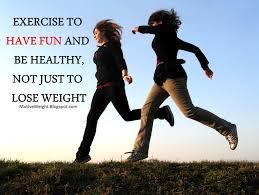
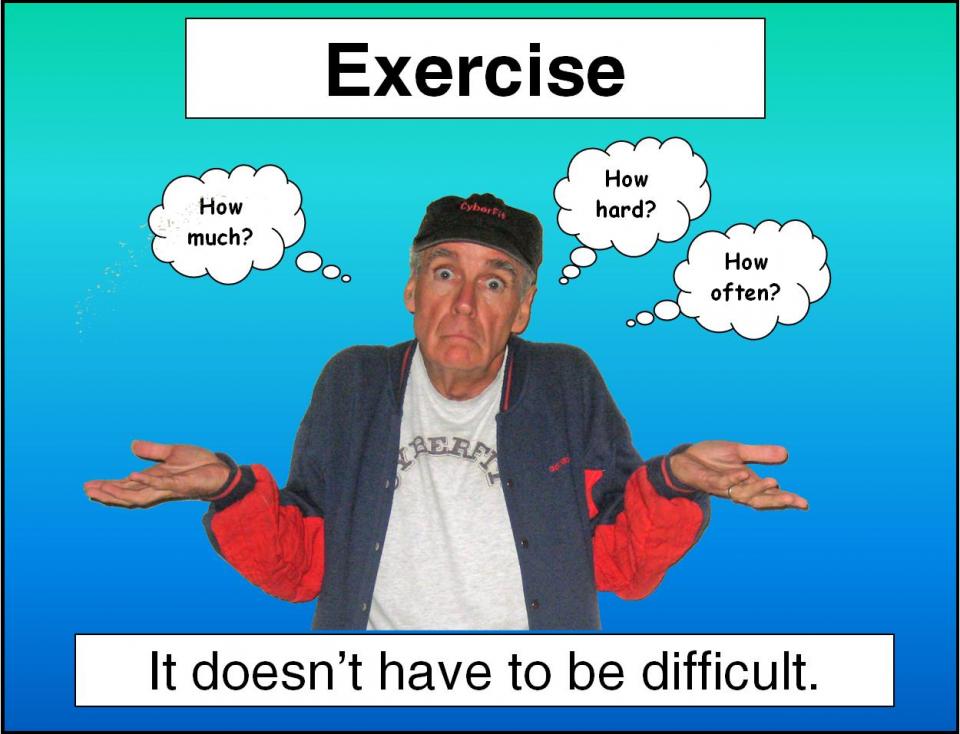
Exercise is a great way to stay in shape and keep your heart healthy.
Helps to regulate sugars and insulin and keep diabetes at bay.
Helps reduce insulin needed for those who already have diabetes.
Lowers blood glucose levels quickly.
Lowers bad cholesterol.
Helps keep blood vessels healthy.
Keeps triglycerides lowered.
Exercise releases endorphins which keeps depression away.
Don’t forget to do stretches.
If you have time to watch tv, you have time to exercise while doing so.
Exercise improves learning abilities and boosts mental health.
Builds self-esteem.
Reduces stress.
Has anti-aging effects.
Improves skin.
Rids body of toxins through sweat glands.
Improves sleep.
Helps prevent strokes.
Improves joint health.
Improves muscle tone and strength.
Alleviates anxiety.
Sharpens memory.
Helps make you less susceptible to addictions.
Boosts productivity.
Helps with creative thinking.
Helps keep you focused .
Improve eating habits.
Increases longevity.
Strengthens bones.
Strengthens heart.
Improves posture.
Prevents colds and flu.
Lowers risk of cancer.
Helps keep blood pressure normal.
Fights dementia.
Eases back pain.
Decreases risk of osteoporosis.
Prevents muscle loss.
Increases energy and endurance.
Increases sports performance.
Helps improve self-control and concentration.
Hope you enjoyed this tip.
Thanks for looking and have a great day and a healthy life!
More tips like this
Health & Fitness
Health Beauty Fitness Tips
1.2K12
Health & Fitness
30 Flat Tummy Tips
2.4K6
Health & Fitness
HEALTH TIPS.
1402
Health & Fitness
11 Helpful Health Tips.
3031
Health & Fitness
Importent Health Tips
2051
Health & Fitness
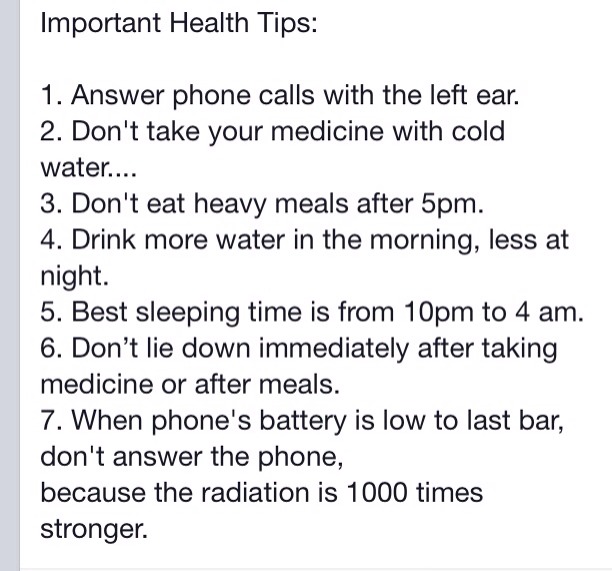
Important Health Tips 🚑
3318
Health & Fitness
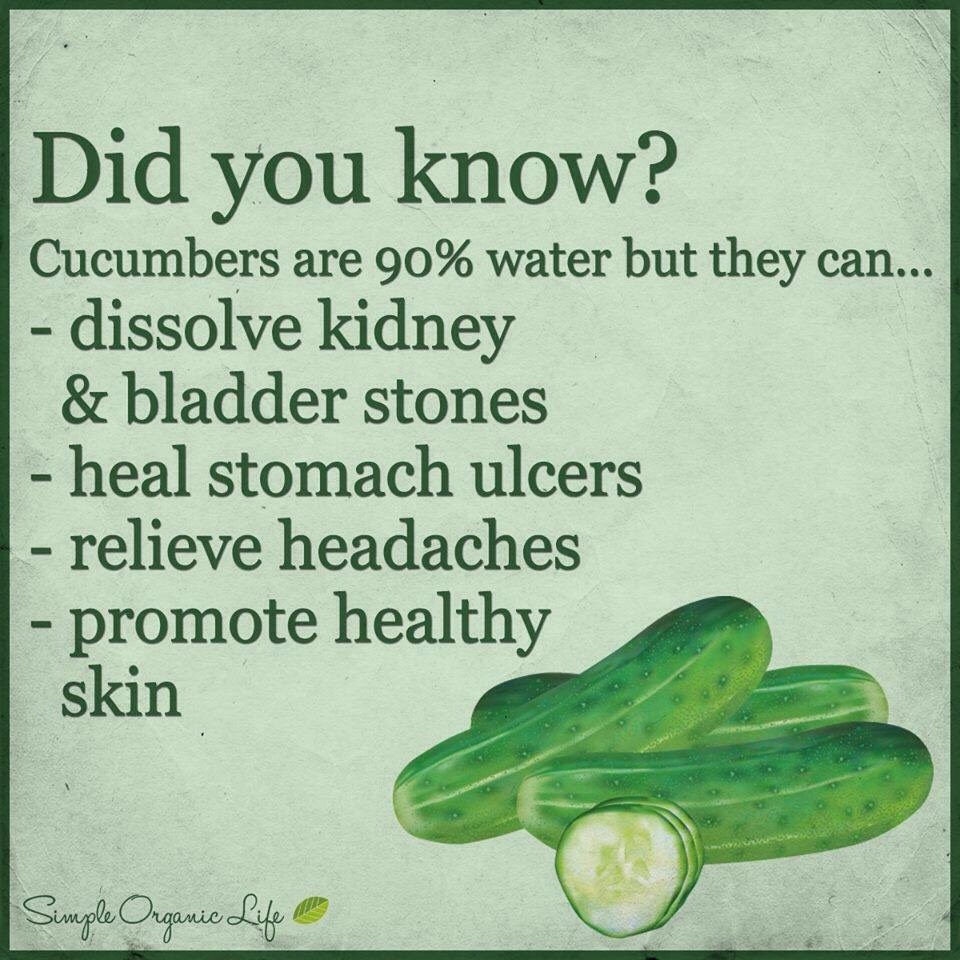
HEALTH FACTS
9593
Health & Fitness
5 Golden Health Tips
196