Best Things To Add To Your Diet.
posted in Health & Fitness on 4/16/2014
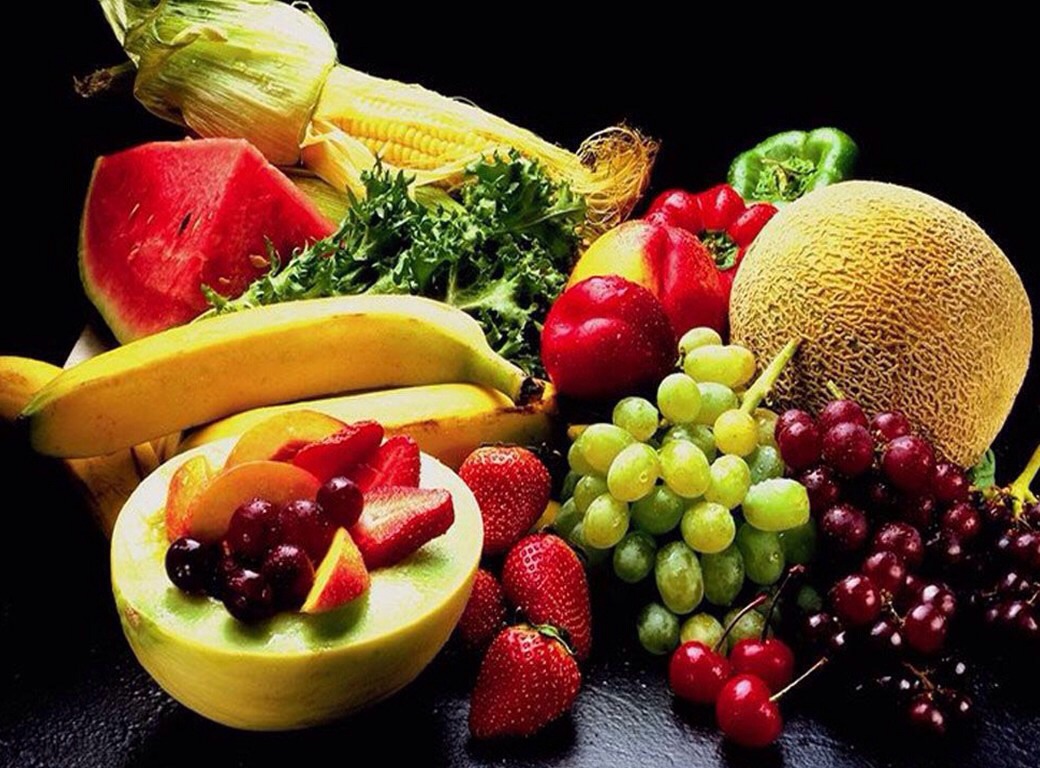
It's hard to stay on extreme diets but with these foods and method it going to make it some what easier to lose all your unwanted fat.
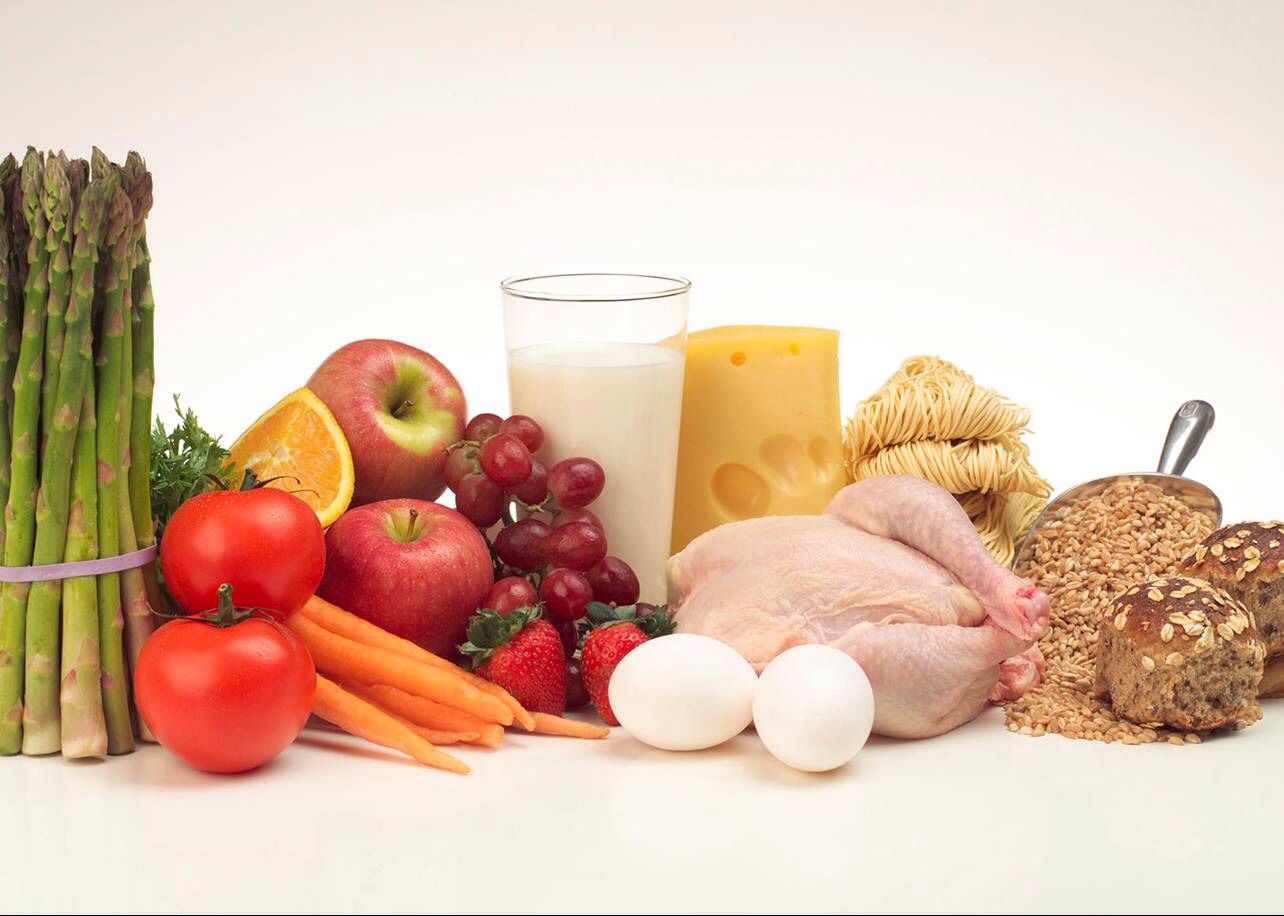
What foods should be added to your diet?
The answers here.
The answers here.
1. Fruit and Vegetables
Make a dinner of a green leafy salad tossed with red pepper, chunks of chicken breast, and sunflower seeds.
Have a frozen-fruit smoothie for dessert (blend frozen mangoes, strawberries, or bananas with low-fat yogurt or milk).
How much- How much: 2 cups of fruit/veg.
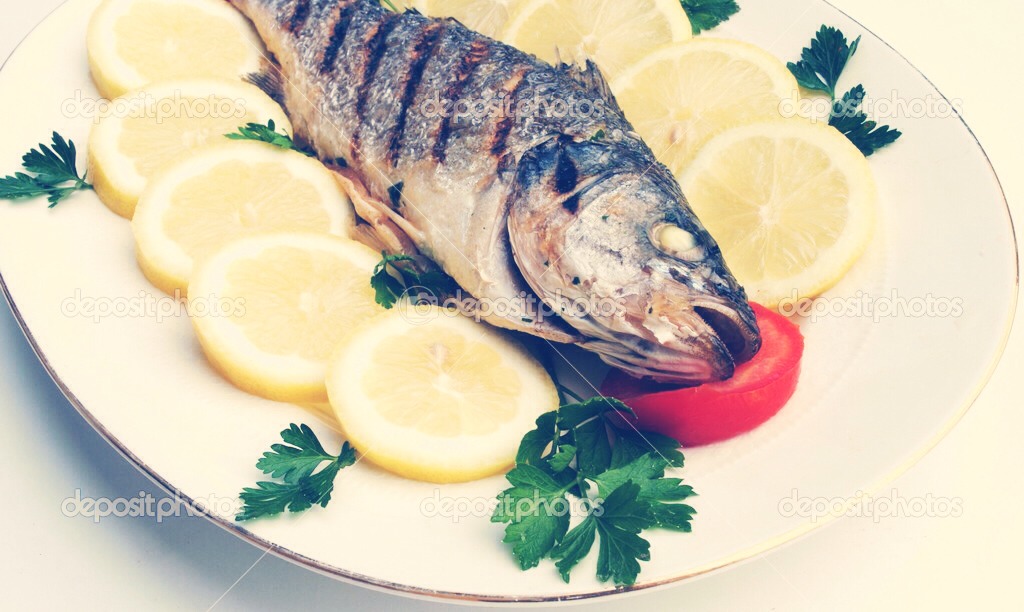
2. Fish
To get protein and heart-healthy omega-3 fatty acids, replace at least two meat meals each week with fish or other seafood. Healthiest prep: poaching, broiling, grilling, or sauteing in olive or canola oil.
How much- At least two 3-ounce servings a week.
To get protein and heart-healthy omega-3 fatty acids, replace at least two meat meals each week with fish or other seafood. Healthiest prep: poaching, broiling, grilling, or sauteing in olive or canola oil.
How much- At least two 3-ounce servings a week.
3. Beans
Beans: All varieties are excellent sources of low-fat protein, vitamins, minerals, and fiber. Include kidney, black, red, fava, garbanzo, cannelloni.
How much: 1/2 to 2/3 cooked beans at least three times a week.
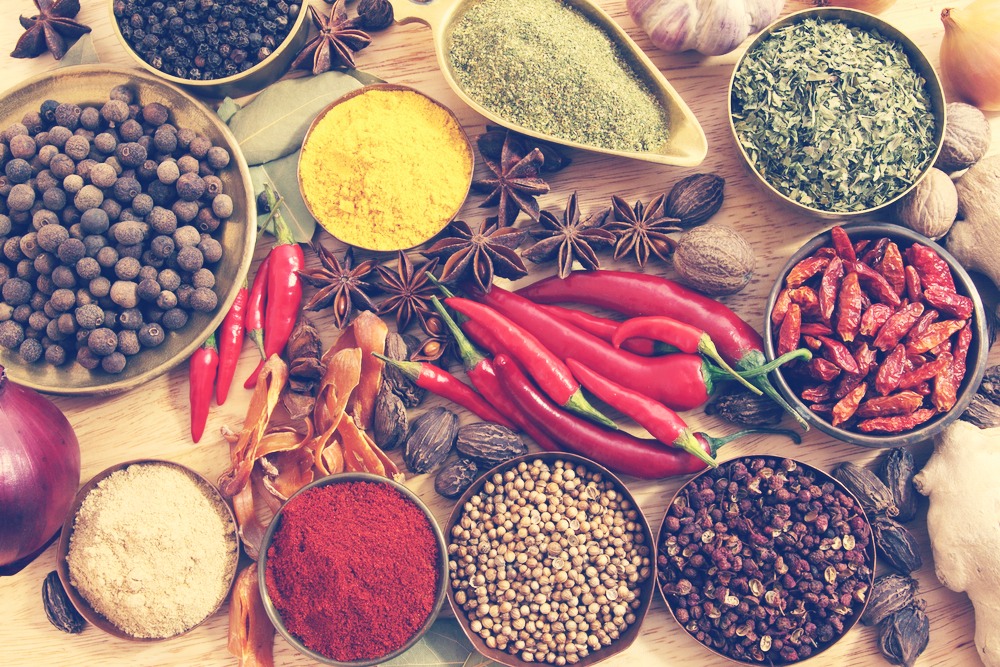
4. Herbs and Spices
Oregano, rosemary, thyme, bay leaves, basil, anise, garlic, and pepper not only add Mediterranean flavor, they also contain healthy antioxidants.
How much- Just use to to taste in every meal, apart from breakfast.
Oregano, rosemary, thyme, bay leaves, basil, anise, garlic, and pepper not only add Mediterranean flavor, they also contain healthy antioxidants.
How much- Just use to to taste in every meal, apart from breakfast.
5- Nuts and Seeds
Nuts and seeds: They're high in antioxidants and heart-healthy monounsaturated fats, which have a steadying effect on blood sugar and keep you feeling full. Since they're also high in calories, combine with other foods.
How much- 2-3 kg Daily.
6- Healthy Oils
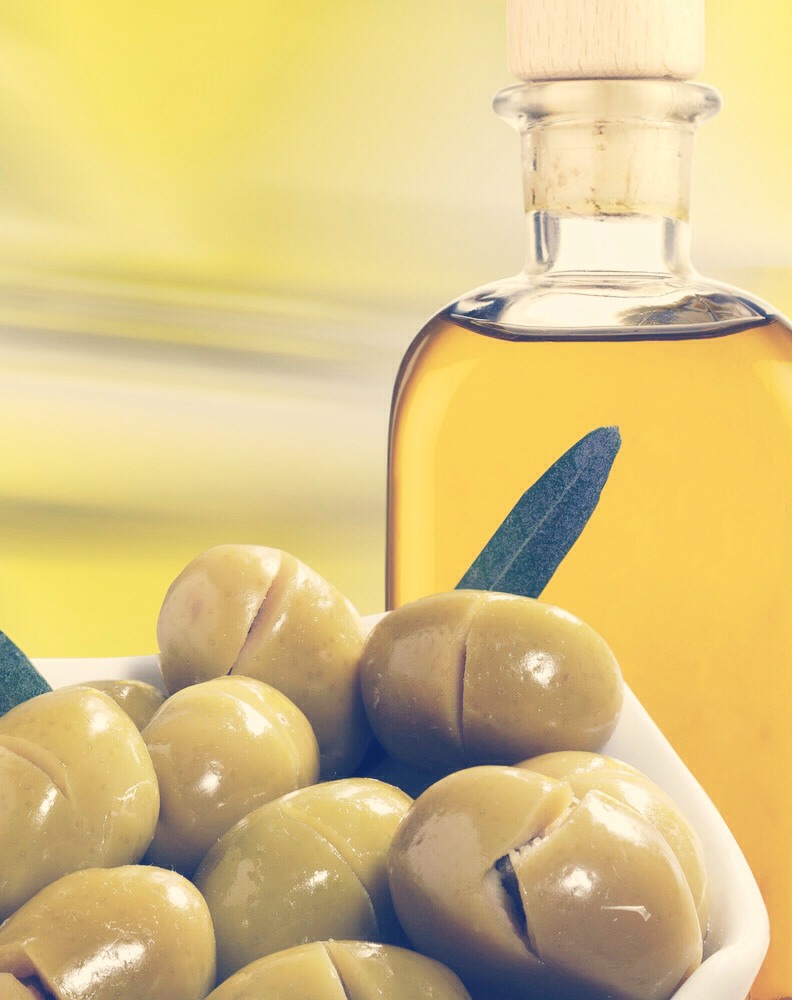
The monounsaturated fats in olive and other healthy oils like canola, sesame, walnut, peanut, and grapeseed are good for your heart. Since 1 tablespoon has 120 calories, sprinkle -- don't pour --
How much- 3 to 5 spoonfuls daily.
The monounsaturated fats in olive and other healthy oils like canola, sesame, walnut, peanut, and grapeseed are good for your heart. Since 1 tablespoon has 120 calories, sprinkle -- don't pour --
How much- 3 to 5 spoonfuls daily.
7. Whole Grains
They contain more vitamins, minerals, and protein than white-flour products and have a stabilizing influence on blood-sugar levels. Experiment with nutrient-dense, nutty-tasting exotic whole grains such as barley, amaranth, quinoa, and faro.
How much- 4 1/2 cups serving daily.

8. Wine
It's a Mediterranean diet staple to have a glass (particularly red) with meals. In moderation, alcohol of any kind may help reduce heart disease risk.
How much- Moderation for women means one glass of wine or one cocktail daily.
It's a Mediterranean diet staple to have a glass (particularly red) with meals. In moderation, alcohol of any kind may help reduce heart disease risk.
How much- Moderation for women means one glass of wine or one cocktail daily.

Six Reasons To Try It

1. Lasting weight loss.
How can a diet that features nuts, oils, pasta, bread, and wine help you lose weight? Because it makes you feel full and therefore holds hunger.
How can a diet that features nuts, oils, pasta, bread, and wine help you lose weight? Because it makes you feel full and therefore holds hunger.
2. A Strong, Healthy Heart
Eating Mediterranean decreases practically every heart-disease risk factor -- high blood pressure, cholesterol, and triglyceride levels. When 605 patients who'd had a first heart attack followed the diet for four years, they had a 50 to 70 percent lower risk.
3. Diabetes Prevention
In a new Annals of Internal Medicine study, 215 type 2 diabetics were asked to follow either a low-fat or a Mediterranean diet. After four years only 44 percent of the Mediterranean group needed diabetes medication -- but 70 percent of the low-fat eater did.
In a new Annals of Internal Medicine study, 215 type 2 diabetics were asked to follow either a low-fat or a Mediterranean diet. After four years only 44 percent of the Mediterranean group needed diabetes medication -- but 70 percent of the low-fat eater did.
4. Better Eyesight
The diet could help stave off or prevent macular degeneration, the leading cause of vision loss after age 54. The condition which affects more than 10 million Americans, destroys the part of your retina responsible for the clear central vision you need to read and recognise faces

5. Reduced Alzheimer's risk.
Eating Mediterranean may help cut your chance of Alzheimer's disease by 40 percent, shows a new study in the Journal of the American Medical Association. And people who added regular exercise to the diet were 60 percent less likely to get Alzheimer's.
Eating Mediterranean may help cut your chance of Alzheimer's disease by 40 percent, shows a new study in the Journal of the American Medical Association. And people who added regular exercise to the diet were 60 percent less likely to get Alzheimer's.
6. Longer life.
A recent meta-analysis in the British Medical Journal found the diet significantly improved health and led to a 9 percent reduction in death from heart disease, cancer, Parkinson's, and Alzheimer's.
More tips like this

Health & Fitness
Hollywood Diet
1.9K43

Health & Fitness
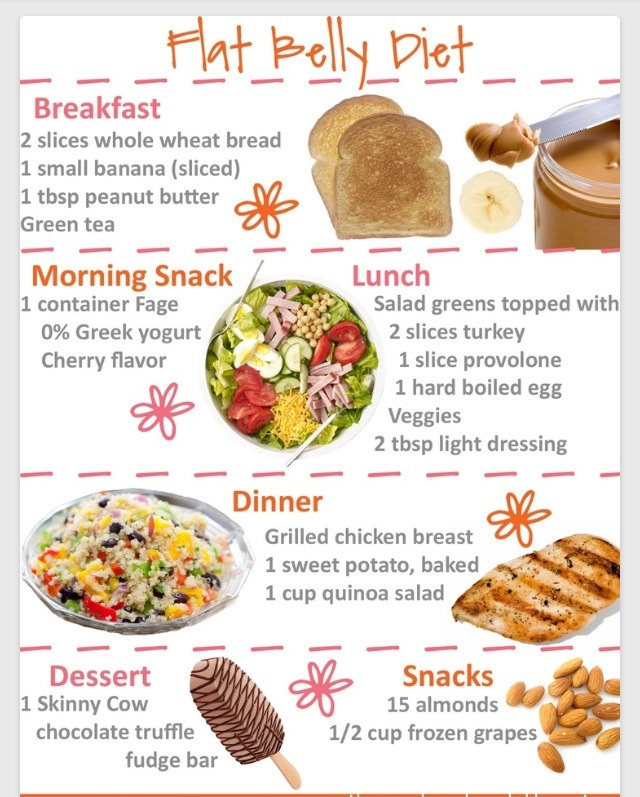
Flat Belly Diet!
1.9K10
Health & Fitness
Military Diet Lose 10lbs A Week
1.9K10
Health & Fitness
Healthy Diet Plan
1.4K15
Health & Fitness
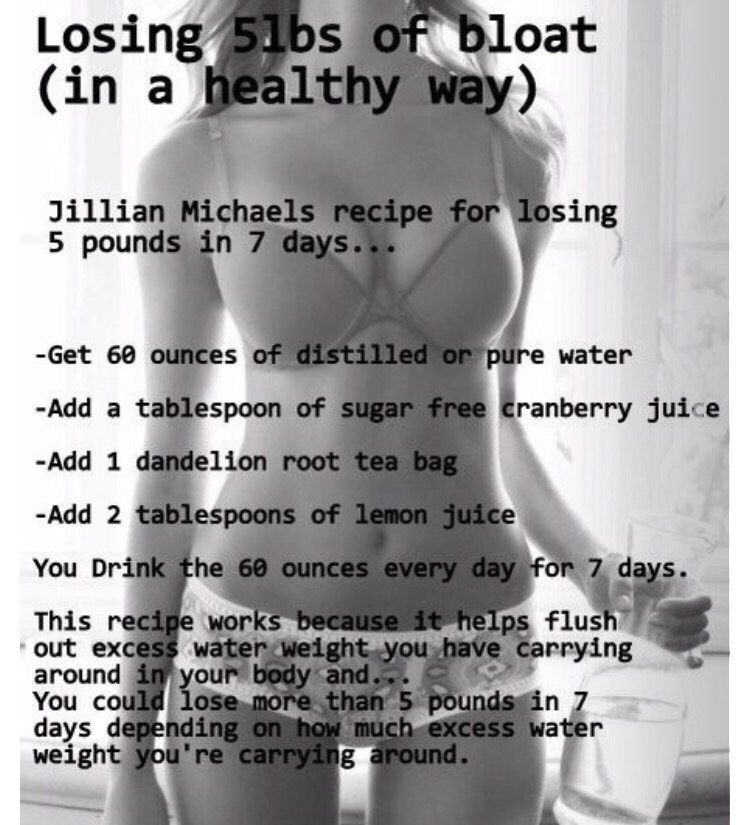
Easy Life Hack For A Water Diet
1.2K3

Health & Fitness
The Fastest Indian Vegetarian Diet to Lose Weight – 7 Days GM Diet
1.2K28
Health & Fitness
" FLAT BELLY DIET "👌
1.1K2

Health & Fitness
3 Day Diet To Lose Up To 10 Pounds.
3.3K23